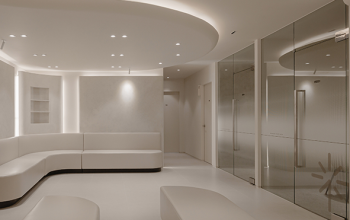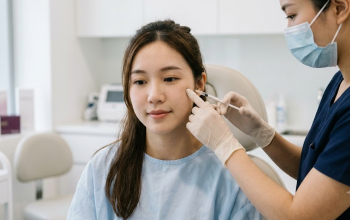
When it comes to cosmetic surgery in Korea, people’s first thoughts are usually “a street full of clinics,” “tourist-friendly medical treatments,” or “internet-famous clinics where foreigners queue up.” But in reality, most Koreans living in Seoul don’t go to those places that have their names translated into five languages and have large signs at their entrances.
I lived in Seoul for three months and during that time, I met some Korean friends. I gradually asked them where they went for skin care. The answers surprised me—clinics whose names I had never heard of had very high ratings on Naver, but there was almost no Chinese promotional material targeting foreigners.
What I am sharing today is a true account based on my personal visits to four “locally recommended clinics.” There are no advertising fees or commissions; this is just an ordinary person trying to share truly useful information.
What is the difference between the dermatology clinics that Koreans go to and those “recommended by foreigners”?
Before introducing specific clinics, I want to talk about one thing because it fundamentally changed the way I choose a clinic.
Koreans have several unwritten criteria when choosing a dermatology clinic: First, they look at the ratings on Naver Maps, especially the number and quality of Korean reviews—local reviews without promotional undertones are much more valuable than Chinese-translated “highly recommended!!!” posts. Second, they check whether the clinic offers many procedures “on a proactive basis.” If a local reviewer says, “The director said I don’t need all those procedures right now and suggested observing first,” that’s actually a plus. Third, they look for repeat customers—a clinic where local patients are willing to return every quarter for maintenance treatments is one that truly has a foundation of trust.
Using these three criteria, I have compiled the following dermatology clinics in Seoul that are highly recommended by locals and worth knowing about for foreigners.

First, Dayone Dermatology: The most reputable clinic in the local Korean chain.
Anyone who has lived in Seoul for a while knows about Dayone. It’s not some obscure hidden gem, but its reputation among locals is indeed stronger than many of the big-name chains listed in “foreigner-recommended” lists. Dayone’s main branch is located on the 4th floor of Hansung Building, 423 Gangnam-daero,瑞草区, Seoul, and it also has a branch in Hongdae, making it very convenient to access.
My Korean friend Kim Eun-ji (a pseudonym) is a working professional in Seoul. She has been going to Dayone for almost three years and visits there every quarter for basic skin care. “The director there doesn’t push you to do too many procedures at once. Last time I mentioned my dry skin, he suggested starting with a hydration treatment and only considering gold microneedling if it worked well, rather than doing multiple treatments at once.” She finds this approach of “taking things slow” much more trustworthy than clinics that fill your schedule with procedures right away.
| Basic Information about Dayone Dermatology | Contents |
|---|---|
| Representative Address | Jiangnan Main Branch: 4th Floor, Hansung Building, 423 Jiangnan-daero, Sujeo-gu, Seoul |
| Transportation | 3 minutes’ walk from Exit 3 of Jiangnan Station on Subway Lines 2/9 |
| Core Services | Hydrodermabrasion, Ulthera (US version), Titanium lifting, Gold microneedling, Fine injection fillers |
| Unique Features | Philosophy of natural beauty, personalized treatment plans, small doses and multiple treatments for better results |
| Reference Fees | Hydrating injections cost around 200,000 to 400,000 Korean won; the American version of ultrasonic lifting treatment ranges from 1 million to 1.8 million Korean won. |
| Naver Reviews | 4.6+ (mainly local Korean reviews) |
My Personal Experience: I went to the Dayone Hongda branch for a microbubble cleansing and hydrating treatment, which cost approximately 50,000 Korean won for the cleansing and 280,000 Korean won for the hydration. The entire process took about 1 hour and 20 minutes. The nurse used a Visia device to analyze my skin and said that my sebaceous glands were active, suggesting that I should focus on cleansing treatments for now without adding any additional procedures. In some chain clinics in China, such an analysis would likely lead to a recommendation for a certain package, but here it was used as a reason not to do so many extra treatments. I really liked that.
II. Baid Dermatology: The Sophisticated Local Experience of Apgujeong
Apgujeong is one of the wealthiest residential areas in Seoul, and its dermatology clinics mainly serve the local middle-class and high-income groups. It’s almost unheard of to see tour guides bringing foreign tourists there. Baid Dermatology is located in an ordinary building near the Apgujeong station; it doesn’t have a Chinese signboard, and there is no translator at the entrance.
I learned about Baid from a Korean girl who works in the fashion industry in Cheongdam-dong. She said she has been going to Baid every year since she was 25 for ultra-short pulse laser and photon treatments, for a total of five years. “I don’t go to those places that promote themselves as being the best; I trust what the Korean moms pass on to each other,” she said. Her skin is indeed very good—there are no particularly noticeable pores or dark spots, and among people my age, her skin is in particularly good condition.
| Basic Information about Baid Dermatology | Content |
|---|---|
| Address | Near Ssanggyeotting Station, Gangnam District, Seoul (it is recommended to confirm the exact address through BeautsGO) |
| Transportation | 5-8 minutes walk from Ssanggyeotting Station on Line 3 |
| Main Services | Fraxel dual-frequency laser, ultrapulse lasers, Thermage FLX, and fractional fillers |
| Unique Features | “Fractional filling technique” – multiple small injections for the most natural results |
| Fee Information | Ultrapulse + superphotonic package costs approximately 1,800–2,200 RMB (about 30% lower than domestic prices) |
| Naver Rating | 4.5+ (highly stable score over time) |
Baid’s “small, multiple injections” approach is its signature differentiating service. The principle behind this is that hyaluronic acid should not be injected in large amounts at once, but rather in small doses multiple times, allowing the facial contours to adjust naturally during the recovery process and avoiding the “swollen face” effect associated with excessive fillers. This approach is highly recognized among middle-class Koreans, as they are particularly averse to obvious signs of cosmetic procedures.
III. Lu Meiren Dermatology: A Family-Run Clinic Hidden in a Quiet Residential Area of Jiangnan
It took me some time to find the address of Lu Meiren Dermatology—it’s located on the 3rd floor of the SH Tower at 324 Seonyeong-ro, Jiangnan-gu, Seoul. Nearby are ordinary residential buildings, creating a very quiet environment that hardly seems like the location for a medical aesthetics clinic.
I came across Lu Meiren through the notes of a Taiwanese blogger who had lived in Seoul for eight years. She mentioned that it was a “clinic run by a family of three generations of doctors, with many regular customers who have been coming there since their mothers’ generation.” All three directors hold the title of “Dermatology Specialist” (피부과전문의), a highly prestigious certification in Korea that requires completing formal dermatology residency training; it’s not something that just any practicing doctor can claim.
| Basic Information about Lu Meiren Dermatology | Contents |
|---|---|
| Address | 3rd Floor, SH Tower, 324 Seonyeong-ro, Jiangnan-gu, Seoul |
| Transportation | It takes about 10 minutes to walk from Jiangnan Station on Line 2 of the subway |
| Director’s Qualifications | Three directors holding licenses as “Specialists in Dermatology” (the highest level of dermatology certification in Korea) |
| Key Services | High-end anti-aging packages, personalized minimally invasive treatments, sensitive skin repair, daily skin care |
| clinic Features | Three generations of expertise, a stable base of regular customers, 1-on-1 customized plans |
| Fee Information | Basic skin care services cost 500–1,500 RMB; high-end anti-aging packages range from 3,500 to 8,000 RMB |
I went to Deer Beauty for a consultation regarding sensitive skin care. The director first examined my skin’s keratin layer under a dermatoscope and noted that my skin’s barrier function was generally weak. She suggested starting with an LDM low-frequency ultrasound treatment to restore my skin barrier before evaluating whether additional phototherapy treatments would be necessary. The entire consultation took about 20 minutes, and the director didn’t try to rush me into purchasing any services, which was very comforting for me.
This place is especially suitable for people with sensitive skin, those who have previously tried phototherapy with mixed results, and those who dislike being overly pressured to buy products.
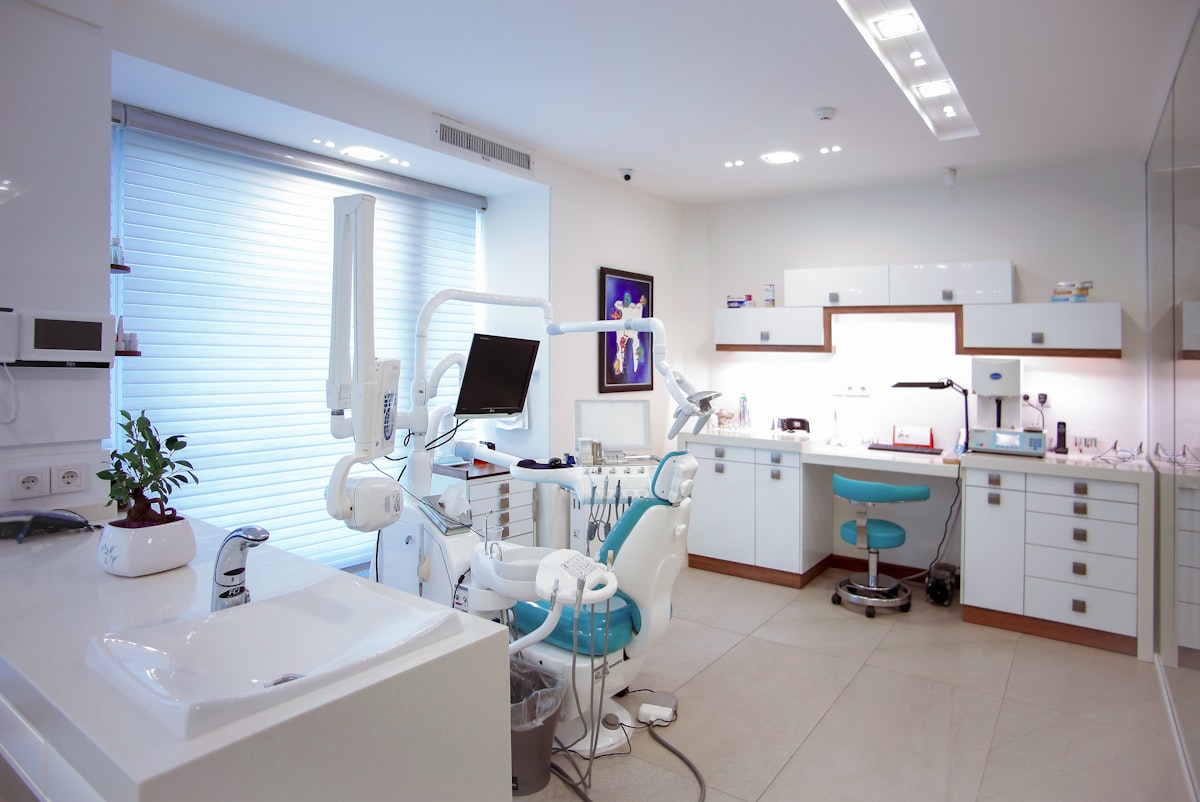
IV. Hongda Kate Dermatology: Led by a doctor from Yonsei University – a cost-effective option.
Hongdae is one of Seoul’s most vibrant areas for young people. Dermatology clinics here generally charge 20–30% less than those in Gangnam, but this doesn’t mean the quality of service is lower. Kate Dermatology is the most frequently mentioned clinic among my friends in Hongdae; it’s known for offering “the quality of Cheongdam-dong at Hongdae prices.”
All three directors have a background from Yonsei University, South Korea’s top medical institution: Director Hong Chun-hyuk specializes in TuneFace contouring, Director Lee Won-sang has over 20 years of experience in anti-aging treatments, and Director Moon Guan-yeong focuses on laser therapy and filler injections. These three areas cover the needs of most people looking for dermatological care.
| Basic information about Kate Dermatology | Content |
|---|---|
| Address | Located in the Hongdae area of Seoul (please confirm the exact address through BeautsGO). |
| Transportation | Within a 10-minute walk from Hongda Entrance Station of Subway Line 2 |
| Director Team | Hong Chun-hyuk (Yonsei University, contour refinement)/ Lee Won-sang (Yonsei University, 20 years of anti-aging experience)/ Moon Guan-yeong (laser & fillers) |
| Key Services | Microbubble cleansing, ultrasonic lifting, gold microneedling, TuneFace contour refinement, Lijulan Black Box Hydrating Treatment |
| Fee Information | Microbubble cleansing costs approximately 77,000 Korean won (about 400 RMB); Lijulan Black Box Hydrating Treatment costs approximately 250,000 Korean won (about 1,300 RMB) |
| Positioning | High cost-performance ratio, friendly to young people, transparent pricing |
I had a treatment at Kate that combined picosecond lasers with photon therapy, and it cost approximately 1,200 RMB—almost half the price of similar treatments I received in Shanghai. The entire procedure took about 45 minutes. Director Hong personally explained that my skin issues mainly involved freckles and enlarged pores, and suggested that I come back in two months to assess whether additional treatments were needed. They didn’t try to persuade me to buy a package for better results, nor did they add any extra fees at the checkout. This direct and transparent approach was one of the most smooth experiences I’ve had at several clinics I’ve visited.
Comparing four clinics: how to choose the right one for you?
| Clinic | Location | Specialization | Price range | Who it’s suitable for |
|---|---|---|---|---|
| Dayone Dermatology | Jiangnan/Hongda | Basic skin care + anti-aging treatments | Mid-range (200,000 – 1.8 million KRW) | People who want to maintain their skin regularly and are going to a Korean dermatology clinic for the first time |
| Baid Dermatology Clinic | Seopyeongting | Laser skin treatment + precise injectable fillers | High-mid range (approximately 1,800 – 4,000 RMB) | People who pursue natural results and value a subtle, invisible approach |
| Deogyumine Dermatology Clinic | Xuanling Road, Jiangnan | High-end personalized treatments + sensitive skin care | Mid-to-high end (RMB 500–8,000) | People with sensitive skin who want personalized treatment plans |
| Kate Dermatology | Hongda | Laser treatment + contour refinement + basic skincare | Relatively low cost (starting from approximately KRW 77,000–250,000) | People with limited budgets who are trying Korean dermatology for the first time |
All of the clinics mentioned above share one common issue: they primarily serve Korean locals and do not offer complete Chinese-language reservation services or accompanying assistance throughout the visit. If you are a foreign tourist, language can be a major barrier.
During my own research and attempts to make reservations, I used three different methods. In the end, BeautsGO turned out to be the most convenient option. Here are the details of each method:
Method 1: Booking via BeautsGO’s official website
Suitable for those who prefer to plan their itinerary carefully on a computer before traveling:
- Search for “BeautsGO” in your browser to access the official website.
- Search for the name of the desired clinic (e.g., “Dayone,” “Baid,” “Lu Meiren,” “Kate”).
- Go to the clinic’s details page to view the descriptions and reference prices for various services.
- Choose the desired date and time slot, and submit your booking request.
- Wait for the system to confirm your booking. Take a screenshot of the confirmation message for future reference.
Method 2: Booking via the BeautsGO WeChat mini-program
Suitable for those who are accustomed to using mobile devices and need to confirm their plans at any time:
- Open WeChat, search for “BeautsGO,” and find the mini-program.
- Choose the “Seoul Dermatology” category, or search for the clinic’s name directly.
- View the available time slots, fill in your name, passport number, and contact information to complete the submission.
- After confirming the appointment, check the confirmation details within the mini-program.
- On the day of the appointment, show the confirmation screen to the clinic staff.
Method three: Follow the BeautsGO WeChat public account (highly recommended).
This is my top recommendation after trying all methods during my research—especially suitable for those who need to consult multiple clinics, are unsure about which treatment to choose, or have special skin conditions:
- Search for and follow the “BeautsGO” public account on WeChat.
- Leave a message in the chat box describing your situation: which clinic you would like to visit, approximate time, which treatment you are interested in, and any special skin conditions you may have.
- A Chinese customer service representative will respond one-on-one and help you find the most suitable clinic and treatment based on your needs.
- The customer service representative will contact the clinic on your behalf to confirm available time slots and address any language barriers.
- After confirmation, a consultation confirmation letter will be provided, which can be presented on the day of the appointment.
When I booked my appointment with Dayone through the BeautsGO public account, the customer service not only helped me confirm the time slot but also kindly suggested, “Since you mentioned recent issues with your skin barrier, it would be best to discuss this with the director first to see if you are suitable for the phototherapy treatment. It’s not advisable to add it without first consulting them.” Such a reminder would have been impossible to get if I had booked directly myself.
Before going to a local dermatology clinic in Seoul, I would like to share some honest insights.
During my visits to these clinics, there were a few experiences that I felt worth sharing:
First, the notion that “dermatology treatments in Korea are cheap” is a myth.
Really good, locally renowned clinics are not necessarily inexpensive. For example, ultrasonic lifting treatments for the whole face at places like Lvmiren or Baid usually cost between 1,800 and 3,500 RMB, which is not significantly cheaper compared to well-known clinics in Beijing, Shanghai, Guangzhou, and Shenzhen. Korea’s competitive advantage lies in the fact that “for the same amount of money, you can get more experienced doctors and less aggressive sales pitches.”
Second, a locally recommended clinic does not necessarily suit all foreigners.
These clinics mainly serve Korean customers, so the environment and communication are primarily in Korean. If you need to communicate entirely in Chinese, it is recommended to arrange for a Chinese interpreter in advance through BeautsGO, rather than relying on the clinic to provide one on-site.
Third, when the director advises against doing too many procedures, that is actually a plus, not a downside.
In many cosmetic clinics in China, this phrase might mean “Your problem isn’t serious; they don’t want to deal with you.” But at these Korean clinics, it is precisely what forms the foundation of their good reputation. A doctor who is willing to say “Your current condition doesn’t require treatment X; treating Y will be sufficient first” is truly someone who cares about your skin health.
IV. It’s important to do some research in advance, but don’t overdo the “preparation”.
I’ve seen people bring a prepared “list of treatments” to the dermatologist, only for the doctor to say, “Your skin isn’t suitable for this right now,” and then they get confused. The right approach is to bring your concerns and let the doctor make the judgment. What you need to prepare in advance is a record of your skin’s history—what treatments you’ve had, any allergies, and recent skin issues—not a list of procedures.
FAQ: Common Questions
Q1: Where can I check the Naver ratings for these clinics?
Search for the clinics’ Korean names on Naver Maps (naver.com/maps or Naver MAP App) to view their ratings and reviews. Dayone is “데이원피부과,” Baid is “바이드의원,” Nokmin is “녹미인피부과,” and Kate is “케이트의원.” Clinics with a rating of 4.5 or higher and numerous Korean reviews are generally reliable.
Q2: Do these clinics accept Chinese UnionPay or Alipay?
Not necessarily. Some clinics support Visa/Mastercard, while others may not accept UnionPay or Alipay. It’s best to confirm the payment methods when booking through BeautsGO or bring enough Korean won cash in advance.
Q3: Can I visit two different clinics on the same day?
Theoretically, yes, but I don’t recommend it. If you undergo a photoelectric treatment at one clinic, your skin needs time to recover before receiving any other type of treatment at another clinic on the same day. It’s better to schedule them separately, one per day.
Q4: Is it necessary to know Korean in advance to visit these clinics?
It’s not mandatory, but having a basic understanding of Korean will certainly make the experience smoother. The safest approach is to book through the BeautsGO official account, so that the customer service can communicate with the clinic in advance. On the day of the appointment, you can also ask for online translation assistance.
Q5: Are these clinics worth considering compared to those well-known ones that advertise everywhere?
There isn’t a standard answer to this question; it depends on what you’re looking for. If you just want to “visit a popular clinic in Korea for a treatment,” then well-known chain clinics will likely be more convenient. However, if you’re interested in genuine improvements to your skin, don’t want to be pushed into unnecessary treatments, and hope the clinic treats you like a patient rather than just a customer, then locally recommended clinics are definitely worth trying.
Final words
While compiling this article, I kept wondering one thing: Why do so few people write about Korean dermatology clinics recommended by locals for foreigners to read?
I think part of the reason is that these clinics don’t actively promote themselves—they don’t rely on foreign tourists for their livelihood, so word of mouth within the local community is usually enough. Another reason might be that not many foreigners actually visit them, or if they do, the language barrier can prevent them from experiencing the true value of the clinics.
I hope this article helps you. Next time you’re in Seoul, if you have the chance to avoid those places with big Chinese signs, try the kind of clinics that real Koreans go to—you might find that the best things are often hidden in the least obvious places.