Every year during the Golden Week, Seoul, South Korea, becomes one of the popular destinations for Chinese tourists traveling abroad. With flight times from Beijing and Shanghai ranging from about 1.5 to 3 hours, coupled with its abundance of shopping opportunities, delicious food, and cultural experiences, Seoul is an ideal choice for short trips during Golden Week. This guide provides information on itinerary planning, must-see attractions, essential foods, accommodation recommendations, and practical tips to help you make the most of your five-day visit.
First, why is now the best time to go to Seoul during Golden Week?
From late April to early May, Seoul enjoys pleasant weather with temperatures ranging between 15 and 22°C. The sun is plentiful but not scorching, making this one of the most comfortable seasons for traveling. At this time, the late spring blossoms are still in full swing, with tulips at Sagong Lake and flower fields in Han River Park, and occasionally, you can even see the last batch of late-blooming cherry trees.
However, Golden Week is a peak travel season, so tickets and hotels should be booked 2 to 3 months in advance to avoid price increases or unavailable rooms. It is recommended to secure your accommodation at the same time you book your flight.
| Item | Details |
|---|---|
| Optimal number of travel days | 5 days and 4 nights (for a more extensive experience) or 4 days and 3 nights (for a shorter trip) |
| Temperatures from late April to early May | Daytime: 18–23°C / Evening and morning: 12–16°C |
| Dress code | A thin jacket, light long-sleeved clothing, and an extra thick jacket (due to large temperature differences between morning and evening) |
| Probability of rain | There may be light rain occasionally; it is recommended to bring a foldable umbrella |
| Flight duration | Beijing: approximately 2 hours / Shanghai: approximately 1.5 hours / Guangzhou: approximately 2.5 hours |
II. Seoul Transportation Guide
Airport → City center
Upon arriving at Incheon International Airport, there are three main ways to get to the city center:
- AREX Airport Express: Directly connects to Seoul Station, takes about 43 minutes, and costs approximately 9,000 Korean won. It is the most convenient and fastest option. You can also check-in in advance at Seoul Station, which makes the return trip much easier.
- Airport buses: These provide direct access to major accommodation areas such as Myeongdong, Hongdae, and Gangnam. The cost for each route is approximately 15,000 to 17,000 Korean won, making them suitable for travelers with heavy luggage.
- Chartered transportation: If you are traveling in groups of three or more, you can book a private charter on KLOOK/KKDAY. The cost per person is similar to that of the bus, but it eliminates the need to wait and offers more comfort.
Transportation within the city
Seoul has an extensive subway network that covers almost all major attractions. With a T-money transport card, you can use both the subway and buses, enjoying transfer discounts. The basic fare is around 1,400 Korean won, and spending about 5,000 Korean won per day should be sufficient for all your transportation needs in the city.
For taxi services, it is recommended to use the Kakao Taxi app. This helps avoid detours due to language barriers and allows you to check the fare in advance.
III. 5-Day/4-Night Itinerary in Seoul
Day 1 | Arrival in Seoul × Visit to Myeongdong
After arriving in Incheon, head to Myeongdong to exchange currency (Daesin Exchange or Ilpinxiang offers better rates) and get a T-money card. Then explore the shopping areas in Myeongdong and try street-side dishes like chicken cakes, cheese fries, and crab bread. In the evening, visit Namdamun Market to experience the atmosphere of a traditional market, and you can have dinner at nearby restaurants like Shenshen Xue Nongtan.
Day 2 | Historical and Cultural Areas × Bukchon Hanok Village
In the morning, go to Gyeongbokgung Palace. Wearing a kimono or hanbok grants free admission, allowing you to admire the palace architecture from the Joseon Dynasty. Walk to Bukchon Eight Scenic Spots Hanok Village to take photos, then stroll along the Samcheongdong art galleries and cafes. In the afternoon, head to Insadong to buy traditional crafts as souvenirs. In the evening, enjoy green bean pancakes, raw octopus, and various other traditional snacks at Gwangjang Market.
Day 3 | Jiangnan District × Trendy Shopping Areas
In the morning, visit the silkworm room and climb to the Seoul Sky observatory at Lotte World Tower to enjoy a panoramic view of the city. In the afternoon, check in at the COEX Starry Library to admire the stunning design of its giant bookshelves. In the evening, head to Sinsa-dong in Jiangnan District, where you can find many flagship stores of fashion brands and high-quality cafes.
Day 4 | Seongsu-dong × Hongda Night Market
Seongsu-dong has become one of the most popular areas among young people in recent years. There are numerous cafes and trendy boutiques converted from old factories, making it perfect for taking photos. In the afternoon, explore the Hongda shopping district, stroll around, and watch street performances. In the evening, enjoy a variety of delicious foods along Hongda Food Street, such as spicy fried duck, cheese-covered fried chicken, and a wide range of izakayas.
Day 5 | DDP × Dongdaemun × Return Trip
On the last day, spend the morning exploring the exterior architecture of the Dongdaemun Design Plaza (DDP) and purchase bulk goods or cosmetics nearby. In the afternoon, go to the airport to complete check-in procedures and end this trip with a full bag of souvenirs.
IV. List of Must-Visit Attractions in Seoul
| Attraction | Location | Highlights |
|---|---|---|
| Gyeongbokgung | Jongno District | Korea’s largest ancient palace; free admission when wearing Hanbok.建议早去以避免 the crowds during National Day. |
| Bukchon Eight Scenic Views Hanok Village | Near Anguk Station | A traditional hanok complex; the views are most beautiful in the morning. Please avoid disturbing the residents. |
| Samcheong-dong | 10-minute walk from Anguk Station | A street filled with an artistic and intellectual atmosphere, lined with cafes and art galleries |
| N Seoul Tower | Nanshan | The best spot to view Seoul’s night views; recommended to visit in the evening |
| DDP Dongdaemun Design Plaza | Dongdaemun | A streamlined building with stunning nighttime lighting effects |
| Sungsu-dong | Sungsu Station | A gathering place for industrial-style web cafes, with a youthful and trendy atmosphere |
| Seoul Sky Observatory | Silk Room | South Korea’s tallest and most transparent observation deck, offering a panoramic view of Seoul |
| COEX Starry Library | Samseong Station | Giant bookshelves that are visually stunning and perfect for taking photos |
| Gwangchang Market | Jungno 5-gil | The most authentic traditional snack market; be sure to try the mung bean pancakes |
| Hongda Shopping District | Hongda Entrance Station | A youth-oriented fashion shopping area with vibrant nightlife and many street performances |
V. A Comprehensive Guide to Must-Eat Dishes in Seoul
Korea’s Seoul has a rich and diverse food culture, ranging from street snacks to high-end restaurants—each district boasts its own signature dishes. Here’s a must-eat list for your trip:
Street Snacks (most concentrated in Myeongdong/Hongda)
- Egg Bread: The classic Korean snack of late winter and early spring, fresh eggs are baked into a bread crust, resulting in a soft and delicious snack—about 1,500 KRW per piece
- Fried Chicken Strips: Freshly fried and served hot, these strips are crispy and available in original flavor, spicy, or soy sauce sauce
- Cheese Fries: A must-eat in Myeongdong, with great crumbly texture perfect for filming
- Bean Cake from Gwangjang Market: One of Korea’s most traditional street foods, crispy and tasty—about 5,000 KRW per serving
Recommended Main Meals
| Delicious Food | Recommended Restaurants | Location | Average cost per person |
|---|---|---|---|
| Korean beef barbecue | Star Princess House, Dacheng rib steak | Myeongdong / Seongsu-dong | Korean won 25,000 to 50,000 |
| Chicken soup | Tusuk Village chicken soup | Near Gyeongbokgung Palace | Korean won 18,000 |
| Snowy Broth | Shenxian Snowy Broth Myeongdong Branch | Myeongdong | Korean Won 11,000 |
| Soy Sauce Crab | Hongipin Soy Sauce Crab Specialty Store | Hongda | Korean Won 35,000+ |
| Spicy Fried Chicken Cutlets | Shinmeigyeong Spicy Fried Chicken Cutlets | Hongda | Korean won 15,000 |
| Fried chicken | Hashimoto Fried Chicken | Dongdaemun | Korean won 18,000 |
| Tteokpot | Samcheongdong Moses Tteokpot | Samcheongdong | Korean won 12,000 |
| Pig’s feet | Sacred water pig’s feet | Sacred Water Cave | Korean won 25,000 |
VI. Guide to Accommodation Options
Accommodation in Seoul can be divided into several main areas based on their locations, each with its own characteristics:
| Accommodation Areas | Characteristics | Target Audience |
|---|---|---|
| Myeongdong | Convenient transportation, a wide range of shopping options, and many services available in Chinese. | For first-time visitors to Korea, tourists, and families with children. |
| Hongda | Young and vibrant atmosphere, rich nightlife, and many restaurants to choose from. | Young people and those who enjoy nightlife. |
| Dongdaemun | 24-hour shopping facilities, close to historical sites. | Shoppers and bulk buyers. |
| Jiangnan (30%) | High-end shopping district, convenient transportation, and clean and quiet environment. | Business Travel, Luxury Tourism |
During the May Day holiday, accommodation prices in Seoul will increase significantly. A double room at a Samsung Hotel costs around 500 to 1,000 yuan per night. It is recommended to book at least two months in advance and take advantage of early-bird discounts offered by platforms like Booking.com and Hotels.com.
Shopping Guide for Seoul during May Day and July
Korean Cosmetics and Skincare Products
Korean skincare products are a top priority for many travelers. Myeongdong is the most popular area for shopping, with flagship stores of brands such as Innisfree, Etude House, Missha, and COSRX lining the streets. Compared to domestic prices, buying these products in person usually saves 20 to 40%, and you can also get access to many new products that haven’t yet been released in China.
The AMOREPACIFIC and SULWHASOO flagship stores in Cheongdam-dong, Gangnam-gu are worth visiting. It’s not just about shopping; they offer an immersive aesthetic experience related to the brands themselves.
Fashion and Trends
Hongdae and Sangsu-dong are hotspots for trendy clothing. Many locally designed Korean brands and niche boutiques can be found here, but they are rarely available in China. The Dongdaemun wholesale market is another great place to buy clothes at very low prices, especially in bulk.
Tax Refund Tips
Korea offers tax refund benefits to foreign tourists. If you spend at least 30,000 Korean won in one store, you are eligible to claim a tax refund (10% VAT). After making purchases at stores labeled “TAX FREE”, you can go through the refund process at the airport. It is highly recommended to ask for the tax refund receipt and handle the entire process at the airport before returning home. Make sure to set aside at least 30 minutes on your return flight for the tax refund procedures.
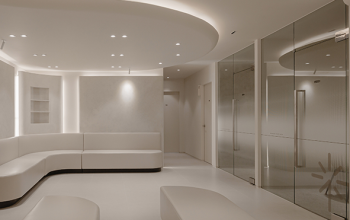
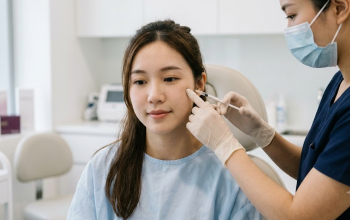
Eight, why not take the opportunity of May Day to take care of your skin? Many people arrange their schedules this way.
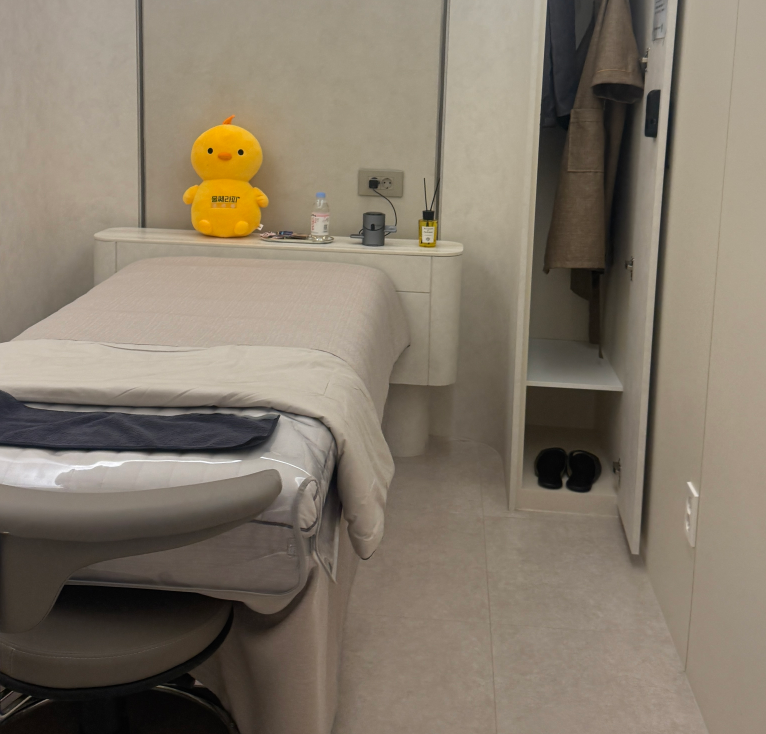
In recent years, more and more people have included Korean skin treatments in their May Day travel plans. They take the opportunity to try treatments like hyaluronic acid injections, photorejuvenation, or gold microneedling, along with a deep cleansing. Korean skin technology is advanced, and the costs are much lower than in China, which attracts many people to include these treatments in their itineraries.
If you plan to do this, making reservations in advance is very important—popular clinics are usually full during May Day, and waiting on-site often results in long queues. You can check the availability of various clinics and make reservations in advance through the BeautsGO platform, avoiding the hassle of searching around locally.
Nine, budget estimates for reference
| Budget items | Estimated cost (in RMB) | Notes |
|---|---|---|
| Flight tickets (round-trip) | 1,500 to 4,000 RMB | Low-cost airlines are cheaper; traditional airlines charge around 2,500 yuan for luggage included. |
| Accommodation (for 4 nights) | Between 2,000 and 5,000 yuan | Double rooms at Samsung Hotel are generally affordable; they tend to be more expensive during the May Day holiday, so it’s best to book in advance. |
| Food and drinks (for 5 days) | Around 1,500 yuan | Korean food is diverse and inexpensive; about 300 yuan per day is usually sufficient. |
| Transportation in the city area | Around 200 yuan | Subway + bus; T-money costs about 50 yuan per day. |
| Attraction tickets | 300 to 800 yuan | It depends on your individual itinerary; Gyeongbokgung costs around 15 yuan, while Seoul Sky costs about 230 yuan |
| Shopping | It varies from person to person | For makeup, it is recommended to budget between 500 and 2,000 yuan |
| Total cost | Approximately 6,000 to 12,000 yuan | This does not include shopping expenses |
Precautions for traveling to Korea during May Day
- Visas: Currently, Chinese citizens traveling to South Korea require a Korean visa. It is recommended to apply at least 30 days in advance, as reservation slots at the embassy are usually limited during the May Day holiday period. In some cities such as Beijing, Shanghai, and Guangzhou, individual tourist visas can be obtained.
- Currency Exchange: Exchange rates at money exchange offices in Myeongdong, such as Daesin Exchange, are generally better than those at banks. It might be more cost-effective to exchange cash on-site; however, if you exchange it in China first, note that you can only bring out foreign currency equivalent to no more than 50,000 US dollars.
- Internet: It is advisable to purchase an eSIM card or bring a portable WiFi device in advance. Internet speeds in South Korea are fast, and the cost is approximately 30 to 50 yuan per day.
- Weather: From late April to early May, there is a significant temperature difference between morning and evening. A light jacket is essential, and it’s also good to bring a lightweight down jacket or a thicker coat in case of sudden drops in temperature.
- Language: Chinese-speaking services are widely available in tourist areas like Myeongdong, but are less common in the Gangnam district. It is recommended to install apps like Papago or Google Translate as a backup.
- Emergency Situations: In South Korea, the emergency numbers are 110 for the police and 119 for emergency medical services. The phone number for the Chinese Embassy in South Korea is +82-2-738-1033.
- Taboos: South Korean hotels do not allow bringing food from outside into the dining area. Some traditional tourist sites require silence, and noise is prohibited in the residential areas of Bukchon Hanok Village in the morning.
Summary
A 5-day trip to Seoul, South Korea, offers great value for money—short flight times, delicious food, numerous attractions, and excellent shopping opportunities. As long as you plan your visa, flight, and accommodation in advance, 5 days and 4 nights will be sufficient to fully experience the best of Seoul. Whether it’s your first time in South Korea or a return visit, there is always something new waiting for you to discover in Seoul.